

Septic Tank Backup Water Removal in Tomball, TX
Trusted by 10,000+ Homeowners Across the USA
Septic Tank Backup Water Removal in Tomball, TX: Protect Your Home and Wallet
As a homeowner in Tomball, TX, you're no stranger to the area's unpredictable weather. Heavy rainfall and flooding are common occurrences, and with the area's clay soil, the risk of water backing up into your home's septic tank is higher than ever. That's why it's crucial to be prepared for the worst and know what to do when your septic tank overflows. Don't wait for a disaster to strike; learn how to prevent and address septic tank backup water removal effectively.
With over 165 five-star reviews, our team has established a reputation for providing top-notch service in the area. Homeowners choose us specifically for septic tank backup water removal because we offer a unique blend of expertise, equipment, and customer care that sets us apart from the competition. Get the peace of mind you deserve with our team's assurance of quality work.
- We offer free estimates and a satisfaction guarantee for all our services, including septic tank backup water removal.
- Our IICRC-certified technicians use the latest equipment and techniques to restore your property to its original condition.
- We're committed to providing transparent and honest pricing, so you know exactly what to expect every step of the way.
How Septic Tank Backup Water Removal Works with Our Team
At our company, we understand that every septic tank backup situation is unique. That's why we take the time to assess your property, identify the root cause of the issue, and develop a customized plan to address it. With our team's expertise and the right equipment, you can trust that your septic tank will be restored to its original condition. Trust us to handle the messy work while you focus on what matters most, your family and your home.
Step 1: Assessment and Planning
Our team arrives at your property, assesses the damage, and creates a customized plan to address your septic tank backup. Get a clear understanding of what's needed to restore your property.
Step 2: Equipment Setup
We set up the necessary equipment to safely remove the contaminated water from your septic tank. Use the latest technology to ensure a thorough job and reduce the risk of further damage.
Step 3: Water Removal
Our team begins the process of carefully removing the contaminated water from your septic tank, using a combination of pumps and vacuum equipment. Expect a thorough and efficient process from start to finish.
Step 4: Sanitizing and Disinfecting
Once the contaminated water is removed, we proceed with sanitizing and disinfecting the affected area to prevent any further damage or bacterial growth. Rest assured that your property will be safe and healthy once again.
Step 5: Final Inspection and Verification
Our team conducts a final inspection to ensure that the septic tank is functioning properly and that the affected area is completely restored. Get the assurance you need that your property is fully restored and safe to occupy.
Don't wait for a disaster to strike, take action today! Contact our team to schedule a free estimate and assessment for your septic tank backup water removal needs. Get back to normal faster with our help.
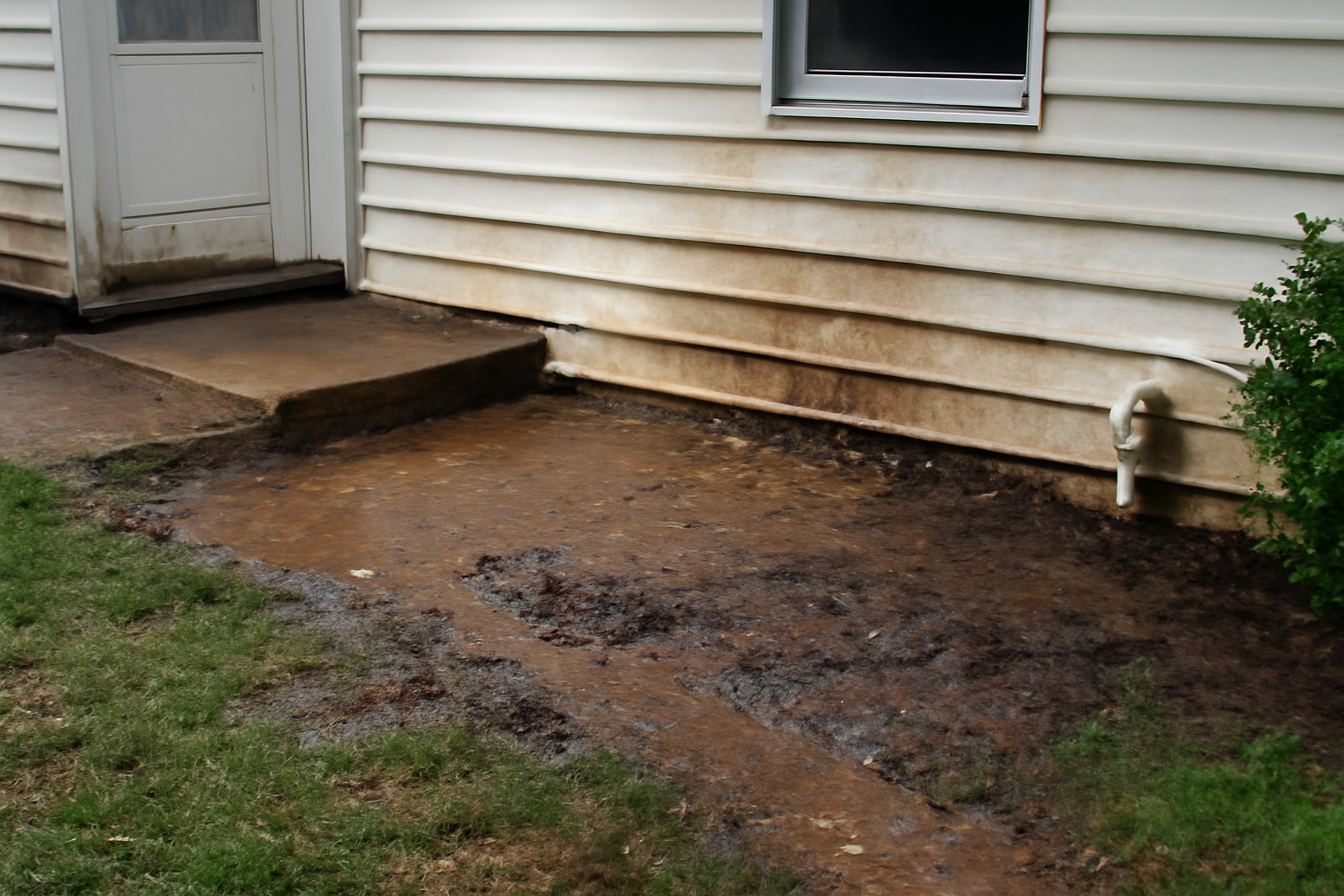
Warning Signs You Need Septic Tank Backup Water Removal
Early detection of septic tank backup issues is crucial to preventing costly repairs and long-term damage to your property. Keep an eye out for these common warning signs:
Musty Odors That Won't Go Away
If you notice persistent musty odors coming from your septic tank or nearby drains, it's a sign that the water is contaminated and needs to be addressed. Don't ignore the warning signs; take action before it's too late.
Slow Draining or Clogged Drains
Slow draining or clogged drains can be a sign of a larger issue with your septic tank. Don't delay; address the problem before it causes lasting damage to your property.
Unexplained Water Damage or Flooding
If you notice unexplained water damage or flooding around your property, it could be a sign that your septic tank is backing up. Act quickly to prevent further damage and costly repairs.
Reduced Water Pressure or Flow
If you notice a reduction in water pressure or flow, it may be a sign that your septic tank is clogged or malfunctioning. Don't wait; address the issue before it causes lasting damage to your property.
Unusual Soils or Odors After a Storm
After a storm, check for unusual soils or odors around your property. Be cautious and address any issues quickly to prevent long-term damage.
Increased Water Bills or Energy Consumption
If you notice an increase in your water bills or energy consumption, it could be a sign that your septic tank is malfunctioning. Take action to prevent further damage and costly repairs.
Septic Tank Backup Water Removal vs. DIY: When to Call a Pro
| Situation | DIY? | Call a Pro? | Why |
|---|---|---|---|
| Minor leak in the septic tank | Yes | No | DIY fix for minor issues can save time and money. |
| Significant water damage or flooding | No | Yes | Professional help is needed to ensure a thorough and safe restoration process. |
| Clogged drains or slow draining | Yes | No | DIY fix for clogged drains can be a cost-effective and efficient solution. |
| Septic tank backup during a heavy storm | No | Yes | Professional help is necessary to handle the situation safely and efficiently. |
| Multiple septic tank issues or malfunctions | No | Yes | Professional help is required to diagnose and address multiple issues effectively. |
With septic tank backup water removal, it's essential to know when to call a professional. Don't risk your health and safety by trying to tackle the issue yourself. Trust the experts to handle the job efficiently and effectively.
Septic Tank Backup Water Removal Cost in Tomball, TX
The cost of septic tank backup water removal in Tomball, TX can vary depending on the severity of the issue, the size of the affected area, and local conditions. Get a free estimate and assessment to find out the best course of action for your specific situation.
| Service | Typical Price Range | What Affects Cost |
|---|---|---|
| Assessment and planning | $100 - $500 | Severity of the issue and size of the affected area |
| Equipment setup and removal | $500 - $2,500 | Complexity of the issue and local regulations |
| Sanitizing and disinfecting | $200 - $1,000 | Size of the affected area and type of disinfectant used |
| Final inspection and verification | $100 - $500 | Severity of the issue and complexity of the restoration process |
| More repairs or maintenance | $500 - $5,000 | Scope of the more work and materials required |
Exact pricing depends on an on-site assessment and free estimates are available. Get a clear understanding of what's needed to restore your property effectively.
Service Areas Near Tomball, TX
We serve the following communities: Alvin, Angleton, Bay City, Clute, Freeport, Galveston, Hitchcock, Lake Jackson, League City, Manvel, Olmito, Pearland, Santa Fe, Texas City, West Columbia.
Common Questions About Septic Tank Backup Water Removal
Q: What causes septic tank backup water removal?
A: Septic tank backup water removal is typically caused by heavy rainfall, flooding, or a malfunctioning septic tank. Stay vigilant and address issues quickly to prevent long-term damage.
Q: Is septic tank backup water removal covered by insurance?
A: It depends on your insurance policy. Check your coverage and contact your insurance provider to find out what's covered and what's not.
Q: How long does septic tank backup water removal take?
A: The length of time depends on the severity of the issue and the size of the affected area. Get a clear understanding of what to expect from our team.
Q: Can I prevent septic tank backup water removal?
A: Yes, you can help prevent septic tank backup water removal by regularly inspecting and maintaining your septic tank. Take care of your septic tank to avoid costly repairs and long-term damage.
Q: How do I know if I need septic tank backup water removal?
A: Look out for warning signs such as musty odors, slow draining, unexplained water damage or flooding, reduced water pressure or flow, and unusual soils or odors after a storm. Don't ignore the warning signs; address the issue quickly to prevent long-term damage.
Check Our Other Relevant Services
Serving Tomball, TX And Nearby Areas



